Functional Medicine
PMOS (PCOS)



Functional Medicine
Polyendocrine Metabolic Ovarian Syndrome (PMOS), formerly known as PCOS, is a common hormonal condition that can affect female menstrual cycles, fertility and metabolic health.
At Harpal Clinic, our GMC-registered doctors investigate and address the underlying causes and drivers of PCOS (PMOS) using functional medicine and specialist hormone support, with the aim to restore balance and support your long-term health.
Consultations can be online, via phone, or in-clinic. Blood testing can take place at our London-based clinic or in your local area.
We assess PCOS (PMOS) through a
functional medicine lens,
functional medicine lens,
looking at the imbalances that may be contributing to the condition, from inflammation to metabolic health.
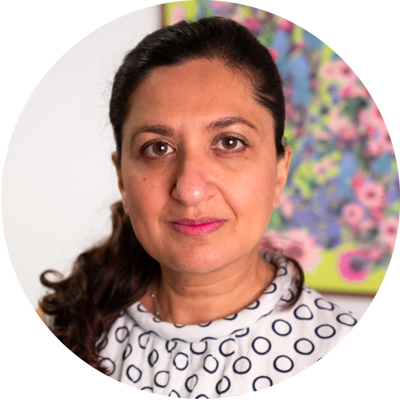
Dr Harpal Bains
MBBS, DFSRH, PGCAestMed (Dist)
As featured in Vogue, GQ, Women’s Health, The Financial Times, and Elle.
The main difference between our consultation options is the level of clinical depth, time with your doctor and number of tests that are interpreted. Your package fee reflects the extensive clinical process, analysis of multiple data points, and in-depth consideration of your symptoms and health history, not simply the time spent in the consultation room.
You don’t have to know exactly what you need, our team will help you understand what will work best for you in a discovery call.

PCOS (PMOS) affects 1 in 10 women but it frequently goes undiagnosed. How do you know if you have PCOS (PMOS)? Symptoms include:
However, not everyone with PCOS (PMOS) has symptoms. In fact, over 50% are asymptomatic and tend to realise something isn’t right when they have trouble getting pregnant.
We prefer to treat PCOS (PMOS) in the early stages so that you don’t suffer from fertility issues and cysts on the ovaries in the first place. If you don’t fit into the ‘classic’ description of PCOS (PMOS), it doesn’t mean you don’t have it – it may just mean that it’s in the early stages. There is a lot we can do to help with this. Don’t wait to seek help if you suspect you may have PCOS (PMOS).
Those with PCOS (PMOS) are at increased risk of type 2 diabetes, depression, high blood pressure (and associated cardiovascular diseases), as well as sleep apnoea. In addition, in our experience at the clinic, we note that a lot of women with PCOS (PMOS) also go on to get endometriosis. This is likely due to chronic stimulation of the uterine lining due to excessive oestrogen found in PCOS (PMOS).

PCOS (PMOS) is caused by a problem with insulin resistance and how the body uses insulin.
Insulin is a hormone created in the pancreas. Under normal circumstances, after a person eats, insulin levels go up and the insulin drives the liver, fat and muscles to absorb sugar (glucose) from the blood and turn it into energy.
Insulin resistance is a condition where the body does not respond properly to the insulin hormone. This then prompts the pancreas to create more and more insulin. Excess insulin levels can then create problems in the body.
As the condition progresses, high insulin levels begin to trigger the ovaries to make more testosterone, preventing normal ovulation and driving the androgenic symptoms associated with PCOS (PMOS), like hair loss on the head and hair growth on the face, acne and oily skin plus high libido.
In addition, insulin resistance lowers sex hormone binding globulin (SHBG) levels, which drives an imbalance of hormones (too much oestrogen, not enough progesterone). This leads to symptoms of oestrogen dominance, including weight gain, gut issues and depression; or the 5 Bs of oestrogen dominance – bleeding, bloating, breast tenderness, breakouts and bad moods.
We see many women who have been told by their GP that their polycystic ovary syndrome symptoms are nothing to worry about. At Harpal Clinic, we work within different parameters and we don’t believe in waiting until a problem is out of control. We can help even and especially if you are in the early stages of PCOS (PMOS). We believe that if you feel off, something is not right.
Our concern with traditional treatment for PCOS/PMOS (usually hormonal contraceptives) is that it has been shown to interfere with insulin resistance. In contrast, here at Harpal Clinic we don’t just give you a contraceptive pill to stop the symptoms; we manage the condition on the hormonal level at its core.
At home, you may be able to self-manage PCOS (PMOS) in its early stages by adopting a low-carb and low-inflammation diet. However, if the disorder has progressed to a point where other conditions have arisen as a result, you are more likely to need medication to manage your symptoms. This isn’t always a negative, but it may mean that you require longer term hormone management.
We may include a combination of the following where applicable to your individual treatment plan:
We can provide bioidentical hormones either temporarily or potentially longer-term, to help rebalance oestrogen dominance or other hormonal imbalances. Of course, at Harpal Clinic, the bioidentical hormones we use are biologically identical to the ones the body generates naturally and can be tailored specifically for each individual patient.
Alongside that, we would look at any other issues that you may have which are linked to PCOS (PMOS), as well as your long-term health history – to correct any other imbalances that would drive this condition such as insulin resistance.
We take a functional medicine approach to PCOS (PMOS), which means that we treat this condition at its root (the root being hormonal imbalance). But this also means assessing all areas of your health to ensure that you can get the best treatment outcomes. We work with each patient as an individual, and this is reflected in our personalised treatments.
For example, while one patient may require a certain dosage of a particular hormone in tandem with adrenal supplementation and dietary changes, the treatment plan of another patient will look completely different.
No two people with PCOS (PMOS) are the same, but all can benefit from a functional medicine approach.