Hormone Therapy
Perimenopause Treatment



Hormone Therapy
We have many women tell us that their symptoms have been labelled as stress, anxiety or that they are just a part of an existing diagnosis.
If you are 35-55 we can provide clarity by pinpointing which of your symptoms are hormonal and which are not. We can help you navigate this stage of your life as perimenopause can show in many subtle ways. We find many women are also starting to think about their long-term health around this time in life and are sometimes keen to also explore longevity testing alongside.
Our perimenopause assessments and personalised treatment plans have been meticulously developed over many years by Dr Harpal Bains and our expert GMC– registered hormone and functional medicine doctors.
Since the beginning, we’ve been making women’s healthcare a priority in what is still a vastly underserved area. We apply innovations within functional medicine and longevity medicine as well as keeping up to date with the public sector.
Whether your appointment is online or in-person, you’ll feel our commitment to your health journey right away. Our consultations prioritise patient education, empowering you with a better understanding of your health. This includes sessions with our functional and longevity medicine health coach, plus unlimited doctor Q&A via email through our patient care team.

Over 13 years optimising
hormones for
1000s of patients
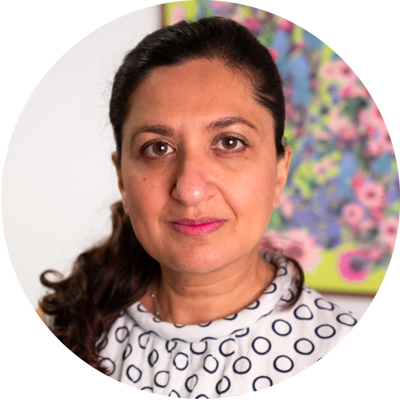
The Liz Earle Podcast, February, 2025
Dr Bains and Liz Earle discuss the impact of hormones, supplements and personalised medicine on longevity and healthy ageing.
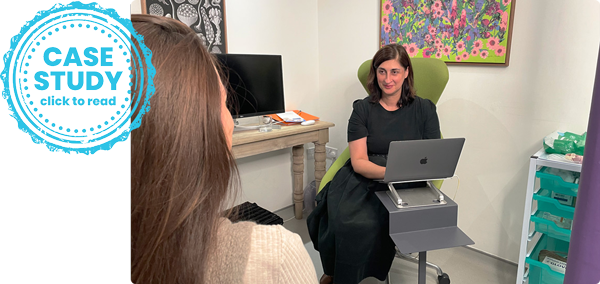
We offer a Focussed or Comprehensive consultation, depending on your goals and needs.
Behind every appointment is up to hours of analysis, interpretation and drawing upon multiple sources of information – both your test results and your consultation notes. You can view our prices and breakdown of what is included in both our initial and follow-up consultations here.
To give you an idea, a hormone blood test, DUTCH test, APOE (DNA) or a DEXA, costs between £185 – £290 per test.
Yes. We offer combined care with GP to spread the cost if you decide to begin hormones.
We offer a huge spectrum of tests. We’ve been expanding and defining our test types over time. Below are some of the most important (and commonly requested!) tests.
The blood panels we run are a primary assessment for understanding which hormones need rebalancing. They provide a snapshot of what is going on in the body and also indicate further areas that need investigation. As bloods can fluctuate, women often prefer to pair this with a DUTCH test. For those looking for a deeper dive, we can expand your blood test accordingly.
A dried urine test you complete at home that takes an in-depth look at your stress (cortisol) and sex hormones.
A DUTCH complete test provides information on both your hormone levels, and how your body is breaking them down. Women are also often interested in looking at their oestrogen metabolism. The test also looks at other key markers such as melatonin and methylation activity.
During perimenopause a DEXA scan can be great for obtaining baseline information on your bone density. We also offer genetic testing with actionable steps, including APOE, which looks at your risk level for Alzheimer’s. Gut health and inflammation can also change with hormonal fluctuations, so we offer varying levels of assessments for those. Explore our longevity lab tests and physical tests.
We will recommend what we think will have the most significant positive impact for you and your long-term health, but what you choose to go ahead with in terms of our recommendations is entirely in your hands.
Perimenopause treatment may look like one of the following:
Experience of menopause symptoms vary greatly, and whilst some women have no or light symptoms, others find they make simple tasks and daily life a real challenge.
Below we have outlined some of the more common ones we see in perimenopausal women. However, as new research is emerging and women’s health is prioritised we are discovering new symptoms that may not be listed here:
Perimenopause can begin anytime from mid-30s up until early 50s.
On average, perimenopause lasts around four years but this can extend up to 10 years in some women. The majority of women reach menopause at age 51.
Yes. We do see women who want to optimise their sleep, supplement, diet and lifestyle ahead of thinking about hormones.
Yes. If this is a concern for you, we can include APOE testing and a treatment to mitigate any potential risk factors.
Sleep disturbances are one of the most prominent symptoms of perimenopause. By balancing hormones women often find relief, especially with optimising hormones such as progesterone. This can be combined with lifestyle strategies given by your doctor and our health coach, as well as melatonin where needed.
Hormone health and longevity are closely intertwined. We often find women who come to us for perimenopause are also thinking ahead to the future. They are keen to integrate health strategies to optimise long-term health to improve their healthspan – the time in life when they feel well, independent and able to do the things they enjoy. This may mean thinking about other systems in your body alongside your hormones.
Harpal Clinic may be a good fit for you if: