Hormone Therapy
Testosterone Replacement Therapy (TRT) For Men



Hormone Therapy
Low testosterone is often under-discussed and under-treated, and we frequently see men experiencing symptoms despite being told their results are normal.
We are seeing men in their 40s presenting with symptoms of
low testosterone
low testosterone
that we’d expect to see in their 60s
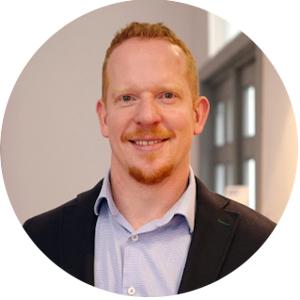
Dr Jay Bowden
BMedSci, BMBS, MRCGP, AFMCP, NCIM, IHDip, DRCOG, DFSRH
Laurence
(Consultant Neurosurgeon)

The men we see describe a gradual decline rather than a sudden change. This often includes difficulty building or maintaining muscle, reduced libido or erectile function, anxiety or depression, and a persistent drop in energy, motivation or drive, particularly in demanding professional environments.
Many clinics choose to use the ADAM score, however, our experience has shown us that the AMS scale gives you a much deeper insight.
Complete the AMS assessment to understand your symptoms in more detail.

Your first step is to complete a comprehensive hormone blood test designed to build a complete clinical picture from the outset, using clinically robust markers rather than simplified screening. Your test results are important for prescribing safety and long-term outcomes.
You can complete your blood testing at our London-based clinic in St Pauls, or local to you via postal phlebotomy. The blood test price includes phlebotomy (blood draw) if you are attending the clinics location in St Pauls, London.
Your blood test will be completed first, followed by your consultation which will be scheduled 1 week after your blood draw. These are both part of the same pathway and must be booked together. Payment is taken in advance.
Your consultation is scheduled 1 week after your blood draw, allowing time for your results to be processed and returned. Your doctor interprets results in full clinical context, considering your blood test markers alongside your symptoms, health history, goals and long-term health.
Step 2 includes:
We don’t just look at your total testosterone – we look at what actually matters.
Your free testosterone is calculated using your total testosterone and SHBG, which gives a reliable estimate of the testosterone that is actually available for your body to use. This is particularly useful when total testosterone appears normal but symptoms suggest otherwise.
We also measure an adrenal hormone that acts as a precursor to testosterone and other sex hormones. Assessing this can help us understand both your adrenal function and whether your stress levels or physiological strain may be influencing hormone production.
Your blood test will also look at a full thyroid panel (TSH, Free T4 + Free T3). Thyroid dysfunction can mimic low testosterone symptoms, and low testosterone can sometimes mask thyroid issues. The test will also look at total testosterone, 17-Beta Oestradiol, progesterone, SHBG, DHEA-S, PSA, LH, FSH, Prolactin, albumin, vitamin D (25-OH) + a full blood count.
If you choose an online consultation, we can send a home test kit so you can arrange a blood draw locally at one of our providers (Superdrug or Goodbody). Phlebotomy is booked and paid for separately. This typically costs £20-£50, depending on provider and location. Please note: Do not book your phlebotomy appointment until you’ve received your test kit.
We can accept blood results from other providers. If you wish to submit recent blood results, the following markers are required for safe prescribing:
Total testosterone, free testosterone, oestradiol, SHBG, PSA, LH, FSH, prolactin, TSH, Free T4, vitamin D (25-OH), albumin and a full blood count.
Your results must be from within the last 3 months.
We work closely with specialist UK pharmacies that we have partnered with for over 8 years. This long-standing relationship ensures reliable supply, consistent prescribing standards and pharmaceutical-grade TRT, dispensed safely and securely.
Once you have placed an order, we want you to be confident when administering your medication. You will spend 30 minutes 1-2-1 with one of our clinicians (via video or telephone) to learn the best techniques for injecting or using your medications.
Your exact prescription cost depends on your formulation, dosage and clinical needs. The cost of medication starts from as little as £2.20 per day.
As a general guide:
Safe TRT requires monitoring and clinical updates. Between scheduled reviews, you can continue to order prescriptions as needed and access ongoing doctor Q&A via our patient care team, alongside health coaching support.
We review patients at:
Each review follows the same structured process as your initial assessment:
It depends. Many of the men we see for a TRT assessment are in their late 30s to 60s. They are often still functioning well, but feel as though something has shifted, with lower energy, reduced libido, slower recovery, or a general sense of not feeling as resilient as they used to.
TRT is appropriate when persistent symptoms of testosterone deficiency align with consistently low or low-normal blood levels, and other contributing factors have been properly assessed.
Typical symptoms men report to us are:
The purpose of an assessment is not to turn natural ageing into a diagnosis, but to establish whether testosterone is genuinely contributing to how you feel.
A low-normal result can be clinically significant, particularly when symptoms are persistent. In primary care, results that fall within the laboratory reference range may not always prompt further investigation, even when symptoms remain an issue.
Testosterone levels tend to decline gradually from the mid-30s onwards. Many of the men we see are already sleeping well, training regularly, and paying attention to their diet, yet still experience symptoms such as low libido, fatigue, reduced drive, or slower recovery. The decision is based on your full clinical picture, not a single number.
TRT tends to be most beneficial when:
TRT is prescribed to restore testosterone to an optimal physiological range that remains within safe limits. While levels may be higher than a patient’s age-related average, dosing is kept within normal adult reference limits. Clinical guidelines from the British Society for Sexual Medicine support this approach as part of evidence-informed management of testosterone deficiency.
No. We do not prescribe TRT without having test results. Symptoms of low testosterone are non-specific. Prescribing without biochemical confirmation via testing risks treating the wrong problem and overlooking reversible causes.
We look for an alignment between clinical presentation and laboratory findings.
Total testosterone alone does not provide enough information to make a safe or accurate diagnosis. As a clinic founded in evidence-based care, we use the most accurate measure of testosterone – free testosterone – to guide diagnosis and treatment.
Symptoms often relate more closely to free (bioavailable) testosterone than total levels alone. Other hormones, including LH, FSH, oestradiol, prolactin, and thyroid markers also help determine whether low testosterone is the underlying issue or part of a broader picture.
Starting treatment without a full hormonal assessment increases the risk of misdiagnosis, inappropriate dosing, or overlooking crucial information.
Cost differences often reflect differences in clinical scope, monitoring standards, and the level of medical input involved. Comprehensive assessment, careful considerations regarding dose, and structured follow-ups require more consultation time and increased clinical input.
Lower-cost models may involve:
When comparing providers, it is important to consider diagnostic depth, safety framework, and long-term supervision, not price alone.
Yes. TRT is available on the NHS, although access can involve long waiting times and treatment is usually limited to men who meet strict diagnostic thresholds. Testing ranges are also very broad, which means that while your test results might indicate ‘normal’, you may still feel like something isn’t right.
Our approach is based on your full clinical picture rather than a single threshold.
Specialist private care at Harpal Clinic gives you:
We aim to optimise testosterone levels so that they are both physiologically and symptomatically beneficial as well as safe.
Yes. Your consultation can be completed online or by phone, and your blood test can be completed at our clinic location in St Paul’s, London, or in your local area.
If you choose a remote consultation, we send a home test kit and you’ll book a blood draw locally with one of our phlebotomy partners (Superdrug or Goodbody). Local phlebotomy is booked and paid for separately and typically costs around £20-50, depending on location. Please wait until you have received your test kit before booking your phlebotomy appointment.
Yes. We can accept blood results from other providers, provided they include the required markers and are from within the last 3 months.
For a TRT assessment with one of our doctors, at a minimum we require:
Total testosterone, Free testosterone, SHBG, Oestradiol, LH, FSH, Prolactin, PSA, TSH and Free T4, Full blood count, Albumin, Vitamin D (25-OH)
We prescribe several injectable testosterone preparations, as well as transdermal (gel) formulations.
Injectable testosterone is commonly used and allows predictable dosing with flexible scheduling. Different esters have different dosing intervals, which can be adjusted to maintain stable levels.
Transdermal (gel) formulations of testosterone provide steady daily delivery and may suit men who prefer not to inject. When applied correctly and monitored appropriately, gels are effective and can be a good alternative to testosterone injections.
Formulation choice is not one-size-fits-all. We discuss the advantages and limitations of each option with you and adjust treatment if needed to ensure stability, tolerability, and clinical benefit.
The most appropriate option depends on:
When applied correctly and appropriately dosed, testosterone gels can restore levels to the physiological range in many men.
They deliver testosterone steadily through the skin, producing more stable daily levels without the larger peaks and troughs associated with some injection schedules. This makes them a suitable option for men who prefer not to inject.
Older formulations of oral testosterone were associated with liver toxicity, however, modern oral testosterone is absorbed via the lymphatic system and does not carry the same liver (hepatic) risk profile.
TRT is often less desirable as an oral formulation, as it requires twice-daily dosing with food and can cause increases in blood pressure and haematocrit. Long-term data are also more limited compared with injectable and transdermal preparations. For these reasons, oral testosterone is generally considered in selected cases rather than as a first-line option.
It depends. Many men notice early positive changes within the first 3-6 weeks, particularly in libido, mood, and overall sense of drive. For others, improvement is more gradual and becomes clearer over the first 2-3 months. Physical changes take longer. Improvements in strength, lean mass, and body composition typically develop over 3-6 months, and depend heavily on sleep, training, nutrition, and overall health.
In clinical trials, most outcomes are formally assessed at three months or later. In day-to-day practice, some men report earlier symptomatic changes, particularly in sexual desire and energy, while physical changes build progressively over time.
Safe TRT requires structured monitoring through both blood testing and your doctor’s clinical review. TRT without structured monitoring is not considered safe practice.
Your first follow-up is at around 3 months, as this is when we assess early response and adjust dosing if needed. Once symptoms and blood levels are stable, follow-ups are spaced at every 9 months.
Each review follows the same process:
Between scheduled reviews, you can request repeat prescriptions when they are due, and contact the clinical team if anything changes or you have questions.
Yes. Travelling with TRT is usually straightforward with a little preparation.
With these simple steps, most patients travel without issue:
It’s also important to check the entry requirements of the country you’re visiting, as regulations can vary. We recommend doing this well in advance of travel.
Not necessarily.
TRT supports testosterone levels while it is being taken, and so many men remain on TRT long-term because they feel consistently better on treatment and prefer the stability it provides. Others use TRT for a period of time and reassess later. Treatment is reviewed regularly rather than assumed to be permanent. If treatment is stopped, levels generally return towards your natural baseline which may be lower that when you started TRT due to age-related decline.
The duration of TRT depends on:
TRT suppresses the body’s own testosterone production by reducing signalling from the brain to the testes (the hypothalamic–pituitary–gonadal axis). This is expected physiology, not a complication, but it is an important commitment consideration.
Because of this, TRT can also reduce sperm production and fertility while you are on treatment. This does not automatically mean infertility. Some men are able to conceive while on TRT, particularly when fertility is planned and managed. In selected cases, medications such as hCG may be used to help preserve testicular function.
If pregnancy is a priority, this should be discussed before starting treatment. After stopping TRT, natural testosterone production and sperm production often recover, but recovery is variable and may take several months to return to your natural level.
When prescribed appropriately, kept within physiological ranges, and properly monitored, TRT is generally well tolerated and without side effects for the majority.
Some men we speak to are concerned about elevated oestrogen levels or the development of breast tissue (gynaecomastia). When testosterone is prescribed within normal physiological ranges and monitored appropriately, elevated oestrogen causing symptoms is uncommon. If symptoms or biochemical changes do occur, dosing is reviewed and adjusted, and additional treatment may be considered where clinically appropriate.
For those that are appropriately given TRT, the main risks arise not from testosterone itself, but from inappropriate prescribing or inadequate monitoring.
Long-term safety depends on:
There are predictable effects that require monitoring:
Cardiovascular safety in relation to TRT has been extensively studied. In large modern trials, men treated with testosterone under proper medical supervision did not experience higher rates of major cardiovascular events compared with placebo. However, individual risk factors still matter, which is why cardiovascular history and metabolic markers are reviewed before treatment and monitored over time.
TRT is not suitable for men with untreated prostate cancer, uncontrolled polycythaemia, or certain unstable cardiovascular conditions.
Current evidence does not link testosterone therapy to an increased risk of developing prostate cancer when prescribed appropriately and monitored carefully.
Large contemporary studies have not demonstrated higher rates of prostate cancer in men treated with TRT compared with untreated men. However, testosterone can stimulate existing prostate tissue, which is why PSA is measured before treatment and monitored regularly. TRT is not suitable for men with untreated or active prostate cancer.
Yes. This is one of the most common concerns we discuss, and our doctors have decades of combined experience supporting men both on TRT and when treatment is paused or stopped.
When treatment is discontinued, testosterone levels fall and the body’s natural production gradually restarts. During this adjustment period, symptoms that led to treatment may return.
Some men return to their previous baseline over time. Others revert to the same low or low-normal levels they had before treatment.
If stopping TRT is being considered, we will help you to do this in a safe and structured way. This includes repeat blood testing, symptom review, and supportive measures where appropriate. Recovery can take several months, and the aim is to make the transition managed rather than abrupt.
If you do not feel meaningful improvement after starting TRT, we review this carefully rather than continuing treatment by default.
This may involve:
Treatment is guided by how you feel as well as what the numbers show. If TRT is not providing clear benefit, we focus on understanding why and what a more appropriate next step would be to help manage your symptoms and achieve your health goals.